


Top Pest Control Strategies for a Pest-Free Home
- Kieren Peters
- Jan 5
- 4 min read

Keeping your home free from pests is not just about comfort - it’s about protecting your property and health. I’ve learned that a proactive approach to pest control can save you time, money, and stress. In this post, I’ll share the top pest control strategies that have worked for me and many others. These tips are practical, easy to implement, and designed to keep your home pest-free all year round.
Understanding Pest Control Strategies: The Basics
Before diving into specific tactics, it’s important to understand what pest control strategies really mean. Pest control is about managing and preventing unwanted insects, rodents, and other critters from invading your living space. The goal is to create an environment that is unattractive and inaccessible to pests.
Here are some foundational strategies I always recommend:
Maintain cleanliness: Pests are attracted to food crumbs, spills, and garbage. Regular cleaning reduces their food sources.
Seal entry points: Cracks, gaps, and holes in walls, doors, and windows are open invitations for pests.
Remove standing water: Moisture attracts pests like mosquitoes and cockroaches.
Use natural deterrents: Certain plants and essential oils can repel pests without harmful chemicals.
By combining these basic principles, you can build a strong defence against common household pests.

Effective Pest Control Strategies for Every Home
Now, let’s get into the specific pest control strategies that I’ve found most effective. These methods cover a range of pests including ants, rodents, termites, and cockroaches.
1. Regular Home Inspection and Maintenance
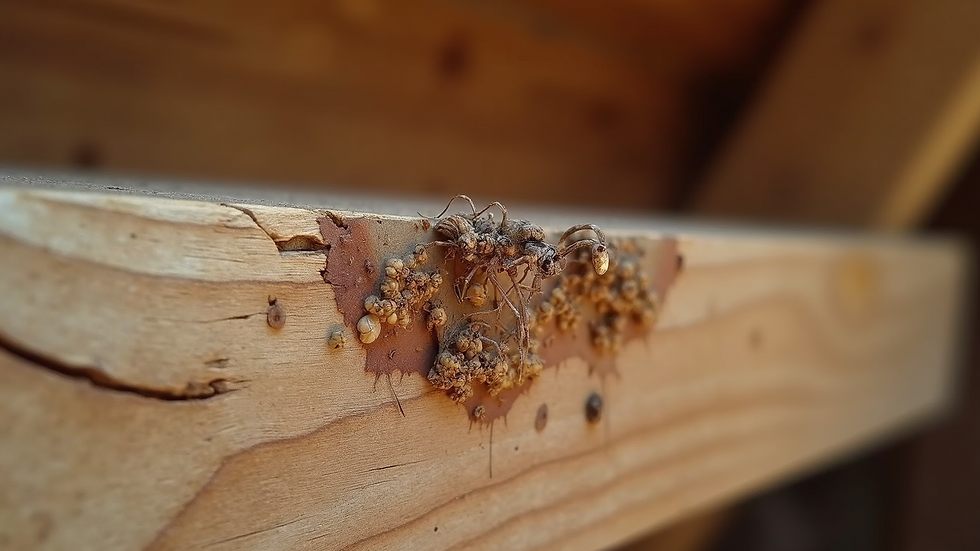
One of the best ways to stay ahead of pests is to inspect your home regularly. Look for signs like droppings, gnaw marks, or damaged wood. Pay special attention to:
Kitchen and pantry areas
Basements and crawl spaces
Around pipes and drains
Roof eaves and gutters
Fix any leaks, replace damaged weather stripping, and repair holes in screens or walls. This ongoing maintenance reduces the chances of pests finding a way inside.
2. Proper Waste Management
Garbage is a major attractant for pests. Use bins with tight-fitting lids and empty them frequently. Compost bins should be kept away from the house and sealed properly. Also, clean your bins regularly to avoid odours that attract rodents and flies.
3. Landscaping and Yard Care
Your garden and yard can either help or hinder pest control efforts. Keep shrubs and trees trimmed away from the house to eliminate bridges for pests. Remove leaf litter and debris where insects and rodents can hide. Consider planting pest-repellent plants like lavender, mint, or marigolds near entry points.
4. Use of Baits and Traps
For pests like ants and rodents, baits and traps can be very effective. Place them in areas where you’ve noticed pest activity but out of reach of children and pets. Always follow the instructions carefully to ensure safety and effectiveness.
5. Professional Pest Control Services
Sometimes, DIY methods aren’t enough. Professional pest control services have access to specialised treatments and knowledge. They can identify pest species, assess infestation levels, and apply targeted solutions. If you’re dealing with termites or a severe rodent problem, calling in experts is the best course of action.

How to Prevent Common Household Pests
Prevention is always better than cure. Here are some pest-specific prevention tips that I’ve found invaluable:
Ants: Keep food sealed, clean up spills immediately, and use vinegar or lemon juice to wipe down surfaces.
Rodents: Store food in airtight containers, keep clutter to a minimum, and use steel wool to block holes.
Termites: Avoid wood-to-soil contact, fix leaks promptly, and schedule regular termite inspections.
Cockroaches: Eliminate moisture, fix leaks, and keep kitchen surfaces dry and clean.
By tailoring your approach to the pests most common in your area, you can significantly reduce the risk of infestation.
The Importance of Acting Quickly
When you spot the first signs of pests, don’t delay. Early action can prevent a minor nuisance from turning into a costly problem. I always stress the urgency of addressing pest issues immediately because pests reproduce quickly and can cause structural damage or health risks.
If you notice droppings, chewed wires, or strange noises, start with a thorough cleaning and inspection. Use traps or baits as needed, and if the problem persists, contact a professional. Remember, the sooner you act, the easier it is to control the situation.
Building a Long-Term Pest-Free Environment
Creating a pest-free home is not a one-time task but an ongoing commitment. Here are some habits and strategies to maintain a pest-free environment over the long term:
Schedule seasonal inspections and maintenance.
Educate family members or housemates about pest prevention.
Keep outdoor lighting minimal or use yellow bulbs to reduce insect attraction.
Store firewood and building materials away from the house.
Use pest-resistant building materials when renovating.
By integrating these habits into your routine, you’ll enjoy peace of mind knowing your home is protected.
I hope these top pest control strategies help you create a safe, comfortable, and pest-free home. Remember, a little effort today can save you from big headaches tomorrow. If you want to learn more about professional pest control options or need advice tailored to your situation, don’t hesitate to reach out to local experts.
Stay vigilant, stay proactive, and enjoy your pest-free living space!


Comments